Commercial Electrical Maintenance: A Facility Manager’s Guide
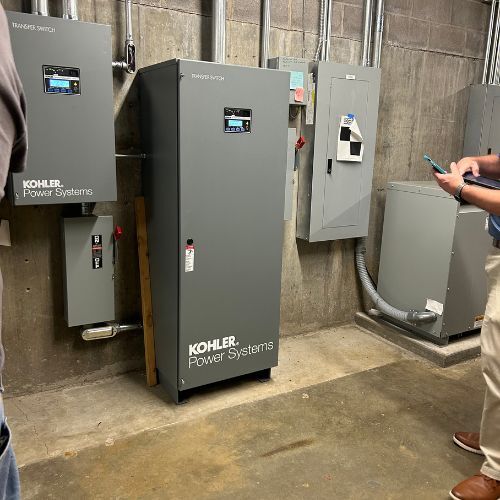
Commercial Electrical Maintenance: What Every Facility Needs Commercial buildings depend on electrical systems to support lighting, HVAC equipment, computers, security systems, machinery, communications, and daily operations. When facilities address systems only after something fails, a manageable electrical problem can become an unexpected shutdown, an urgent repair, or a safety concern. Commercial electrical maintenance provides a more proactive approach. It combines routine observation, professional inspections, testing, documentation, scheduled service, and timely repairs to help keep electrical equipment safe and dependable. A successful maintenance plan should be tailored to the building, the equipment, its operating environment, and the consequences of a failure. It should not rely on one generic schedule for every facility. NFPA 70B provides a framework for developing an electrical maintenance program, including maintenance responsibilities, inspection and testing methods, maintenance intervals, documentation, and corrective actions. NFPA 70B Standard for Electrical Maintenance What Is Commercial Electrical Maintenance? Commercial electrical maintenance is the organized process of inspecting, testing, monitoring, servicing, and repairing a building’s electrical systems. The goal is to identify developing problems, maintain reliable operation, and correct deficiencies before they create a more serious disruption. Maintenance can involve electrical distribution equipment, panels, breakers, transformers, lighting, emergency systems, generators, transfer switches, controls, dedicated equipment circuits, low-voltage systems, and other components serving the property. NFPA 70B describes an electrical maintenance program as a managed system for inspecting, testing, monitoring, analyzing, and servicing electrical equipment. Its purpose includes maintaining safe operations and supporting production or business continuity. Commercial maintenance generally falls into three categories: • Preventive maintenance: Scheduled inspections and service intended to reduce the likelihood of failure. • Predictive maintenance: Condition-based techniques, such as infrared thermography and trend analysis, used to identify developing problems. • Corrective maintenance: Repairs or replacements completed after an inspection, test, fault, or equipment failure identifies a problem. An effective plan uses all three. Preventive and predictive work help identify risk, while corrective work resolves the conditions that inspections and testing uncover. View our Commercial Electrical Services Why Maintenance Matters Electrical equipment can deteriorate because of age, heat, vibration, dust, moisture, corrosion, overloading, loose connections, repeated breaker operation, equipment changes, and demanding operating conditions. These issues are not always obvious during normal building operations. Planned maintenance gives facility managers a structured way to evaluate equipment condition and prioritize repairs. NFPA 70B helps safeguard people, property, and processes from electrical equipment failure, breakdown, or malfunction while supporting safety and reliability. NFPA 70B is a Critical Tool for Reliability and Electrical Safety A commercial electrical maintenance program can help a facility: • Identify developing equipment problems earlier. • Reduce unplanned electrical interruptions. • Prioritize repairs based on condition and operational risk. • Maintain accurate electrical-system records. • Prepare for renovations, equipment additions, and service upgrades. • Improve communication among facility staff, management, and electrical contractors. • Support safer maintenance and troubleshooting practices. Maintenance does not guarantee that equipment will never fail. It provides better information, more consistent oversight, and a planned process for responding to changing conditions. What Maintenance Includes The scope should reflect the building's installed electrical systems. A commercial electrical contractor may evaluate or maintain the following areas. Electrical Panels and Distribution Equipment Assess panels, switchboards, disconnects, breakers, and related distribution equipment for visible deterioration, damage, unusual heat, contamination, corrosion, labeling problems, and other conditions requiring attention. Maintenance may also include mechanical operation, cleaning, torque verification when appropriate, and electrical testing based on the equipment type, condition, manufacturer’s instructions, and applicable maintenance standards. Qualified personnel must complete these tasks under proper safety procedures. Connections and Conductors Loose, damaged, overheated, or deteriorated connections can affect reliability and equipment condition. Qualified electricians can inspect accessible components and use appropriate testing or diagnostic methods to identify conditions requiring correction. Facility employees should report warning signs such as burning odors, discolored equipment, buzzing, repeated breaker trips, intermittent power, or unexplained heat. They should not remove covers or attempt electrical repairs unless they are qualified and authorized to do so. OSHA states that only qualified persons may work on electric circuit parts or equipment that have not been de-energized under applicable lockout/tagout provisions, and qualified persons must also perform electrical testing. OSHA clarification on employee training requirements to perform work on electrical equipment Lighting and Lighting Controls Commercial lighting maintenance can include interior fixtures, exterior lighting, parking-lot lighting, occupancy sensors, timers, photocells, dimming systems, and lighting-control panels. A maintenance review can identify failed components, inconsistent lighting, damaged fixtures, control issues, outdated equipment, and areas where an LED or controls upgrade may improve performance. Emergency and Egress Lighting Include exit signs, emergency lighting, and related systems in the facility’s inspection and testing procedures. Clearly document responsibilities, testing records, and corrective actions to prevent overlooked deficiencies. HVAC and Dedicated Equipment Circuits Commercial buildings often rely on dedicated circuits for rooftop units, pumps, refrigeration equipment, kitchen equipment, elevators, process equipment, and other significant loads. Maintenance should address signs of overheating, repeated trips, damaged disconnects, loose terminations, or circuits that no longer match the building’s operating needs. Generators and Transfer Equipment Backup-power systems need coordinated electrical and mechanical maintenance. The plan should address generators, automatic transfer switches, starting systems, controls, fuel-related dependencies, connected loads, and documented testing. NFPA 70B maintenance materials include condition-based intervals for transfer-switch inspections, cleaning, lubrication, mechanical service, and electrical testing. The applicable schedule depends on equipment condition and other requirements, not a universal interval for every installation. Thermal Imaging Infrared thermography can help identify abnormal heat patterns in energized electrical equipment. It may reveal conditions associated with loose connections, overloading, imbalanced loads, or deteriorating components that merit further investigation. Qualified personnel should perform and interpret thermal imaging under an established safety procedure. A thermal anomaly is a diagnostic finding, not a complete diagnosis; it should prompt further evaluation and appropriate corrective action. Low-Voltage and Communication Systems Depending on the contractor’s scope, maintenance may also address data cabling, access control, security equipment, communications wiring, and other low-voltage systems. Document these systems separately so facility teams know which contractor or vendor is responsible for each component. Warning Signs to Address Facility managers should request professional evaluation when they notice: • Breakers that trip repeatedly. • Flickering or dimming lights. • Buzzing, crackling, or unusual electrical noise. • Burning odors or visible discoloration. • Warm panels, disconnects, receptacles, or equipment connections. • Intermittent equipment operation. • Damaged electrical enclosures or missing covers. • Water, dust, corrosion, or contamination near electrical equipment. • Frequent lamp or driver failures. • Unexplained equipment shutdowns. • Extension cords or temporary wiring being used as permanent solutions. • New equipment that may exceed available electrical capacity. These signs do not identify a single cause. A qualified commercial electrician should evaluate the system, determine the source of the problem, and recommend the appropriate repair or upgrade. View our Commercial Electrical Services Maintenance Plan Guide A useful electrical maintenance plan does more than create a checklist. It identifies the equipment covered, assigns responsibility, establishes priorities, documents procedures, and creates a process for resolving deficiencies. NFPA 70B’s electrical maintenance program framework includes responsible personnel, equipment surveys, documented procedures, inspection and testing plans, records-retention policies, and corrective measures. Step 1: Define the Plan’s Goals Start by identifying what the facility needs the plan to accomplish. Common goals include improving reliability, reducing unplanned downtime, supporting safety, documenting equipment condition, preparing for capital improvements, and coordinating maintenance across multiple properties. The plan should identify critical operations that cannot tolerate an extended outage. A medical office, warehouse, retail center, office building, restaurant, and production facility will have different equipment priorities and operating risks. Step 2: Build an Equipment Inventory Create an inventory of the electrical assets covered by the plan. Record available information such as: • Equipment type and identification number. • Manufacturer and model. • Location. • Voltage and rating. • Equipment served. • Installation date or approximate age. • Known condition. • Previous maintenance or repair history. • Manufacturer’s maintenance information. • Operational importance. Include available one-line diagrams, panel schedules, equipment manuals, previous inspection reports, thermal images, test reports, and records of recurring problems. Step 3: Rank Equipment by Criticality Not every asset presents the same operational risk. Rank equipment by the impact its failure would have on people, operations, tenants, customers, inventory, security, climate control, or essential business functions. A main distribution panel, fire-pump circuit, refrigeration circuit, server-room supply, elevator disconnect, transfer switch, or production-equipment feeder may require more attention than a noncritical branch circuit. Step 4: Assess Equipment Condition A qualified electrician should evaluate the condition of covered equipment and note deficiencies. Factors can include age, environment, loading, maintenance history, physical condition, failure history, manufacturer guidance, and operating importance. NFPA maintenance guidance uses equipment condition assessments to help determine appropriate maintenance intervals. Also consider manufacturer recommendations when establishing inspection and service requirements. Step 5: Establish Tasks and Intervals Define the inspections, tests, cleaning, servicing, and documentation required for each equipment category. Avoid selecting a single annual interval for every task. The appropriate frequency may depend on: • Manufacturer recommendations. • Equipment type and age. • Equipment condition. • Environmental exposure. • Frequency and severity of use. • Previous failures or abnormal findings. • Operational criticality. • Applicable codes, standards, and insurance requirements. A contractor may recommend more frequent attention when equipment is deteriorated, exposed to harsh conditions, heavily loaded, or associated with a high-consequence failure. Step 6: Plan Safe Access and Shutdowns Some maintenance can be completed during normal operations, while other tasks require de-energizing equipment and placing it in an electrically safe condition. Coordinate planned shutdowns with tenants, operations teams, vendors, IT staff, security personnel, and other affected groups. OSHA requires qualified persons for specified electrical work and testing, and lockout/tagout procedures may apply when servicing equipment that could energize unexpectedly. Step 7: Document Findings Use a consistent report format for each inspection or service event. Documentation should include: • Date and location. • Equipment inspected. • Work performed. • Measurements or test results. • Thermal images or photographs where applicable. • Deficiencies found. • Immediate actions taken. • Recommended corrective work. • Priority and target completion date. • Person or contractor responsible. Good records help facility managers distinguish recurring problems from isolated events and make more informed repair-versus-replacement decisions. Step 8: Track Corrective Actions An inspection has limited value if identified problems remain unresolved. Assign every deficiency an owner, priority, due date, and completion status. A practical priority system might include: • Immediate: A condition requiring prompt isolation, shutdown, or repair. • High: A significant reliability or safety concern requiring expedited correction. • Planned: Work that should be included in the next scheduled maintenance window. • Monitor: A condition that should be documented and reassessed. • Capital improvement: Equipment requiring budgeting, engineering, or scheduled replacement. Qualified personnel should assign the final classification based on actual condition and risk. Step 9: Review the Plan Regularly Update the maintenance plan when equipment is added, loads change, renovations occur, tenants change, systems fail, or inspections reveal new patterns. Review whether completed work reduced recurring issues and whether maintenance intervals remain appropriate. NFPA 70B emphasizes documented electrical maintenance programs, accountability, inspections, testing, and records to improve reliability and reduce business risk. Sample Maintenance Checklist This checklist is a planning aid, not a substitute for a site-specific assessment or the manufacturer’s instructions. Facility Records • Maintain current panel schedules and equipment labels. • Keep available one-line diagrams and system documentation. • Record electrical repairs, failures, and repeated breaker trips. • Store inspection, thermal-imaging, and testing reports. • Track outstanding corrective actions. Visual Conditions • Check accessible electrical areas for water, dust, corrosion, damage, or blocked access. • Note unusual heat, noise, odors, or discoloration without opening energized equipment. • Confirm electrical enclosures and covers appear secure. • Report damaged receptacles, switches, fixtures, cords, and disconnects. • Verify that temporary wiring has not become a permanent solution. Professional Inspection • Inspect panels, switchboards, disconnects, and related distribution equipment. • Evaluate breakers and protective devices based on equipment requirements. • Review loading, capacity, and recurring trip history. • Inspect equipment connections and conductors where safely accessible. • Perform thermal imaging when appropriate. • Evaluate generators, transfer equipment, and emergency systems. • Review dedicated HVAC, refrigeration, kitchen, and equipment circuits. • Document deficiencies and recommended repairs. Plan Administration • Assign a maintenance-program coordinator. • Identify qualified personnel and approved contractors. • Establish equipment-specific tasks and intervals. • Coordinate shutdowns and tenant or department notifications. • Prioritize and close corrective actions. • Review the program after system changes or significant failures. Choosing a Commercial Electrical Maintenance Partner Look for an electrical contractor that understands occupied commercial buildings, property-management coordination, operational constraints, and the need for clear documentation. Ask how the contractor handles inspections, troubleshooting, shutdown planning, urgent repairs, reporting, and follow-up work. CDI Electric provides preventive maintenance, troubleshooting, facility electrical repairs, system upgrades, lighting work, thermal imaging, backup-power support, and property-management electrical services throughout Greater Cincinnati and Northern Kentucky. View our Commercial Electrical Services Frequently Asked Questions How often should a commercial building receive electrical maintenance? No single interval works for every building or piece of equipment. Frequency should account for manufacturer recommendations, equipment type and condition, the operating environment, maintenance history, previous failures, and the consequences of an outage. A qualified commercial electrician can help create an equipment-specific schedule consistent with applicable requirements and facility needs. What is included in a commercial electrical maintenance inspection? The scope may include a review of panels, switchboards, breakers, disconnects, conductors, lighting, emergency systems, generators, transfer switches, HVAC circuits, controls, and other building equipment. Depending on the facility and equipment condition, the work may also include thermal imaging, electrical testing, cleaning, mechanical operation, documentation, and repair recommendations. Is electrical maintenance the same as an electrical inspection? No. An inspection evaluates condition and identifies possible deficiencies. A maintenance program is broader and includes equipment inventory, assigned responsibilities, scheduled inspections and tests, servicing, documentation, corrective actions, and periodic program review. Can facility employees perform electrical maintenance? Employees can report visible warning signs and complete assigned observational checks without entering electrical equipment or being exposed to electrical hazards. Work on energized components and electrical testing must be limited to personnel who meet the applicable qualified-person requirements and follow proper safety procedures. What is infrared electrical inspection? Infrared electrical inspection uses thermal imaging to identify abnormal heat patterns in operating electrical equipment. It can help locate conditions that need further investigation, but the findings should be evaluated by qualified personnel and incorporated into a documented corrective-action process. Can maintenance help reduce electrical downtime? A documented program can help identify emerging equipment issues, prioritize repairs, and schedule work before a known deficiency causes an interruption. NFPA 70B specifically addresses maintenance practices intended to improve electrical-system reliability and reduce business risk. What records should a facility keep? Useful records include equipment inventories, panel schedules, one-line diagrams, manufacturer information, inspection reports, testing results, thermal images, repair histories, failure reports, corrective-action logs, and completed maintenance records. Does CDI Electric provide commercial electrical maintenance? Yes. CDI Electric provides preventive maintenance, troubleshooting, repairs, upgrades, thermal imaging, and ongoing commercial electrical support for businesses and facilities throughout Greater Cincinnati and Northern Kentucky. View our Commercial Electrical Services Build a Maintenance Plan Around Your Facility A commercial electrical maintenance plan should reflect the systems, equipment, operating demands, and priorities of the property it supports. CDI Electric helps facility managers, property managers, and business owners evaluate electrical conditions, identify maintenance priorities, plan corrective work, and keep building systems dependable. Contact CDI Electric to discuss a commercial electrical maintenance assessment in Greater Cincinnati or Northern Kentucky.
.png?width=500&height=250&name=CDI%20Electric%20%20(500%20x%20500%20px).png "CDI Electric")